

The path to a treatment for SCN2A.
THE PROJECT
Cure SCN2A is working to help fund the research needed to develop a treatment for SCN2A by 2030.
Learn more ↓
What is SCN2A?
ABOUT SCN2A
WHAT IS SCN2A?
SCN2A is a gene located on chromosome 2 that carries the instructions for building Na‑V1.2, a sodium channel protein found in brain cells.
WHAT DOES IT DO?
This channel helps brain cells send the electrical signals that allow the brain to communicate, develop and function.
WHY IS IT IMPORTANT?
SCN2A-related disorders are rare, serious, and currently have no approved treatment - which is why early research and funding are critical.
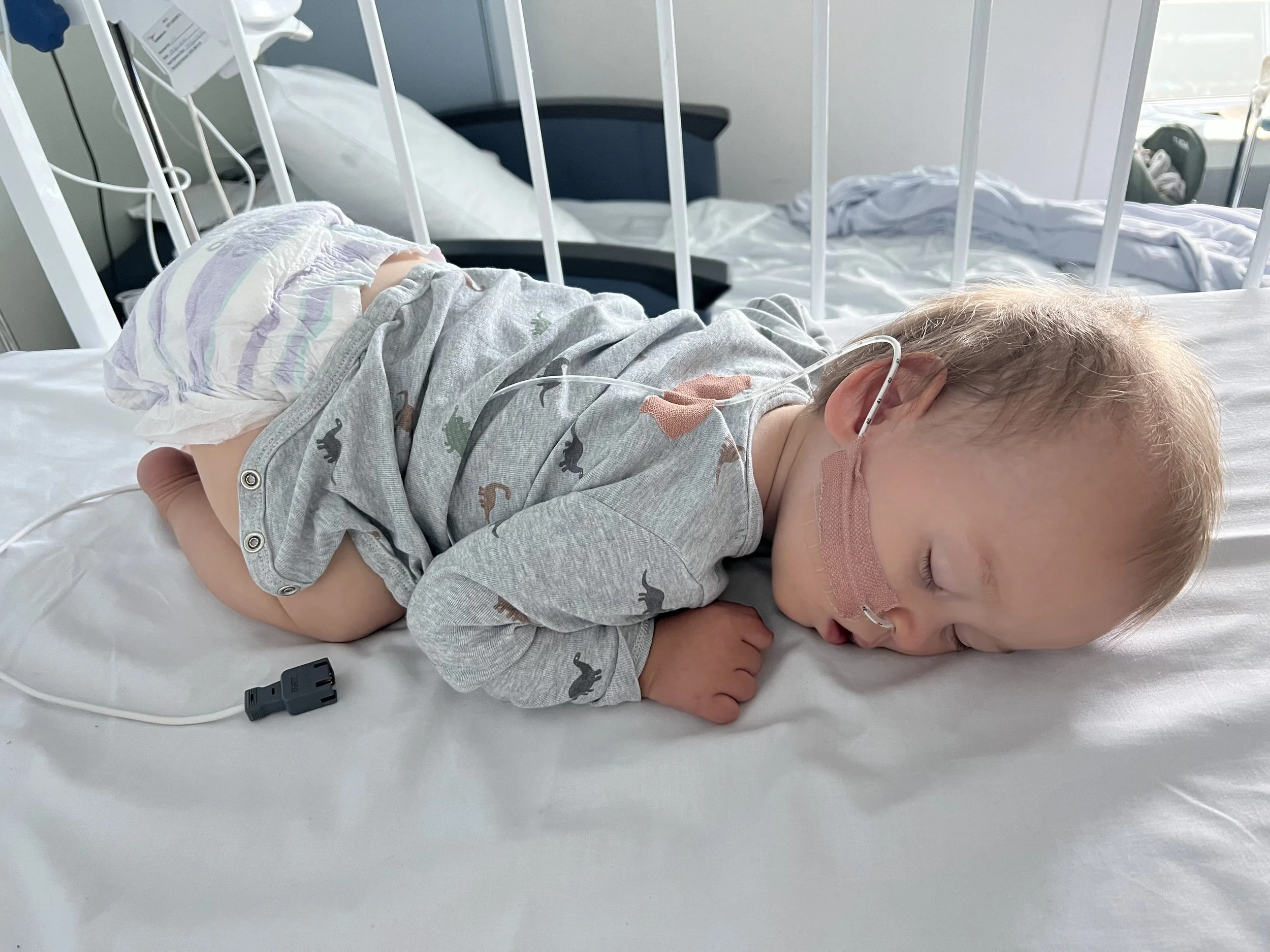
How can SCN2A-related disorders affect children?
SCN2A-related disorders can bring a range of neurological and developmental challenges. These may include:
⚡ Seizures - Seizures can begin in infancy or develop later in childhood, and for some they can be frequent, difficult to control and life-threatening.
💬 Developmental Delay - Children may reach milestones later, lose skills or need ongoing support to develop new ones.
🧠 Intellectual Disability - Learning, understanding and everyday independence can be affected.
🗣️ Communication Delays - Many children experience language delay or are non-speaking, which can affect how they communicate, connect and participate in daily life.
🌻 Autism Spectrum Disorder -SCN2A is a leading single gene cause of Autism Spectrum Disorder.
🚶 Movement Disorders - Some children experience movement disorders or require support with mobility.
👁️ Other Neurological Challenges - These can include cortical visual impairment and dysautonomia.
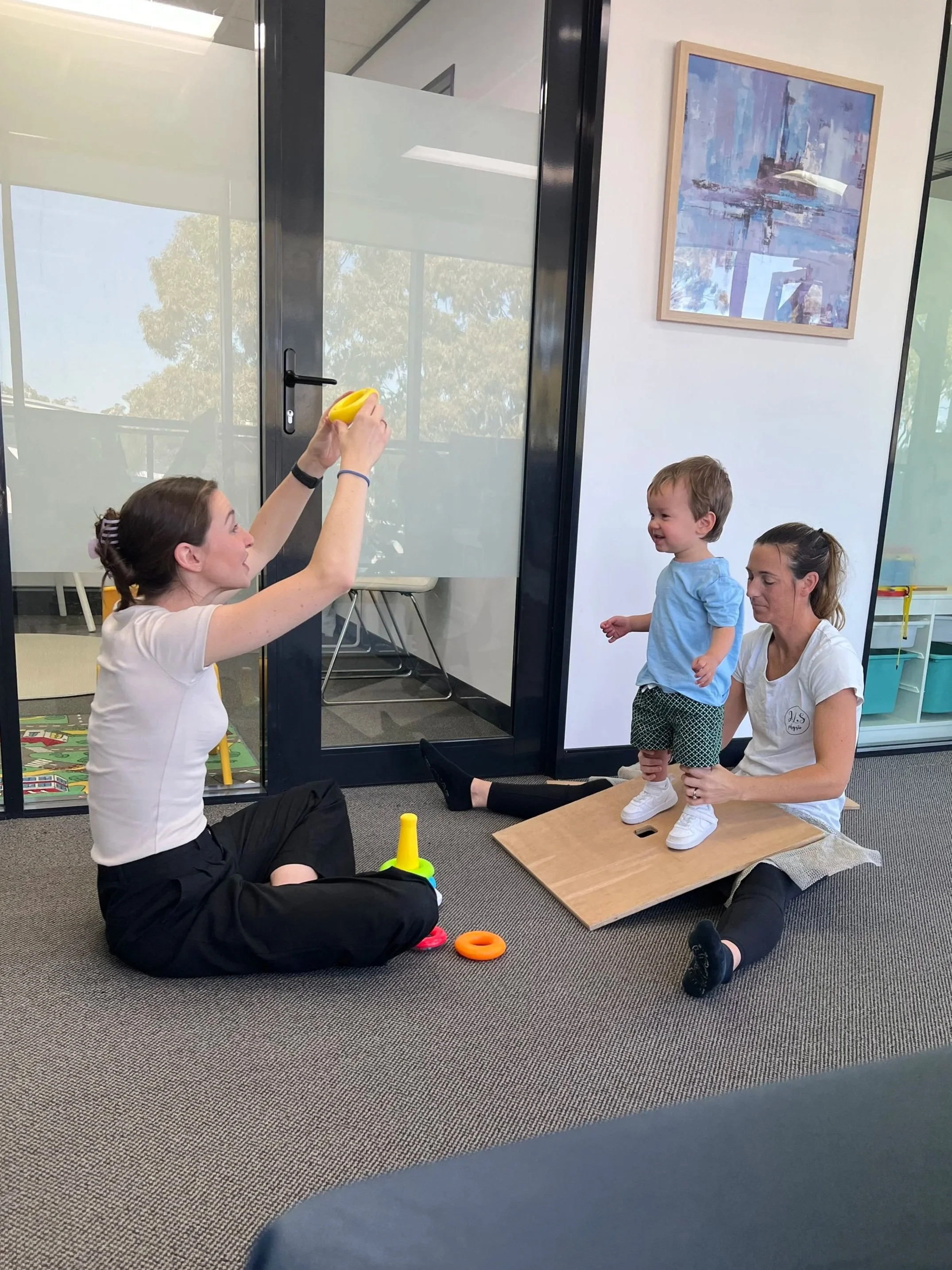
Genetic treatments are designed to act on the instructions inside our cells. Depending on the approach, they may add or adjust genetic material, change how a gene is read, or increase or reduce the activity of a gene.
This includes gene therapies and RNA-based medicines such as antisense oligonucleotides (ASOs), which are designed to influence the RNA messages that cells use to make proteins.
For conditions such as SCN2A, these treatments offer the possibility of targeting the underlying biology - not only managing the symptoms.
What are genetic treatments?
THE SCIENCE
SYMPTOM MANAGEMENT
vs
Helps manage the effects of a condition.
GENETIC THERAPY
Aims to address the underlying cause.
The treatment development pathway
THE PATH TOWARDS A CURE
We are working with scientific and clinical advisers to assess the most promising treatment pathways, with a focus on safety, scientific rationale and potential to benefit children living with loss-of-function SCN2A.
UNDER ASSESSMENT
RNA-based approaches
Exploring therapies designed to influence how genetic instructions are read and used by cells.
UNDER ASSESSMENT
Gene activation (including CRISPR activation / CRISPRa)
Exploring ways to increase activity of the healthy SCN2A gene copy where reduced gene activity is part of the condition (loss-of-function).
UNDER ASSESSMENT
Gene replacement strategies
Assessing whether delivering functional genetic material may offer a pathway for loss-of-function SCN2A-related disorder.
As the program progresses, we will share the research plan, funding priorities and milestones so our community can follow the work.
Why families are driving change
A FAMILY LED MISSION

When a child’s future is on the line, families are often the ones who step forward first.
Rare conditions affect relatively few people, which can make it difficult to attract the early commercial and pharmaceutical investment needed to turn promising science into a treatment program. Too often, the burden of finding that funding falls to families who want to help develop treatments for their children.
This is the gap Cure SCN2A exists to help close - bringing together philanthropy, businesses, community fundraising and research expertise to help move promising work forward.
1 in 12 people live with a rare disease
“RARE” ISN’T RARE
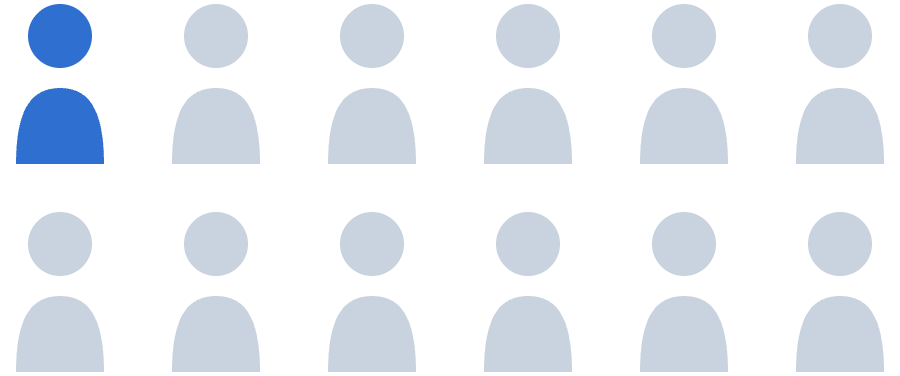
Rare conditions are individually uncommon, but collectively, around 2 million Australians (approximately 1 in 12 people) live with a rare disease.
An estimated 8% of Australians
Our family’s fight but a much bigger story.

Jack’s story is one of many.
Progress in rare disease research matters beyond one diagnosis. Each investment in genetic medicine, scientific understanding and treatment development can build the knowledge, tools and delivery platforms that help unlock treatments for other rare (and often more complex) genetic conditions.

Help fund the path to treatment
Every donation helps fund the research and momentum needed to bring a treatment for SCN2A closer.