
About SCN2A
What is SCN2A?
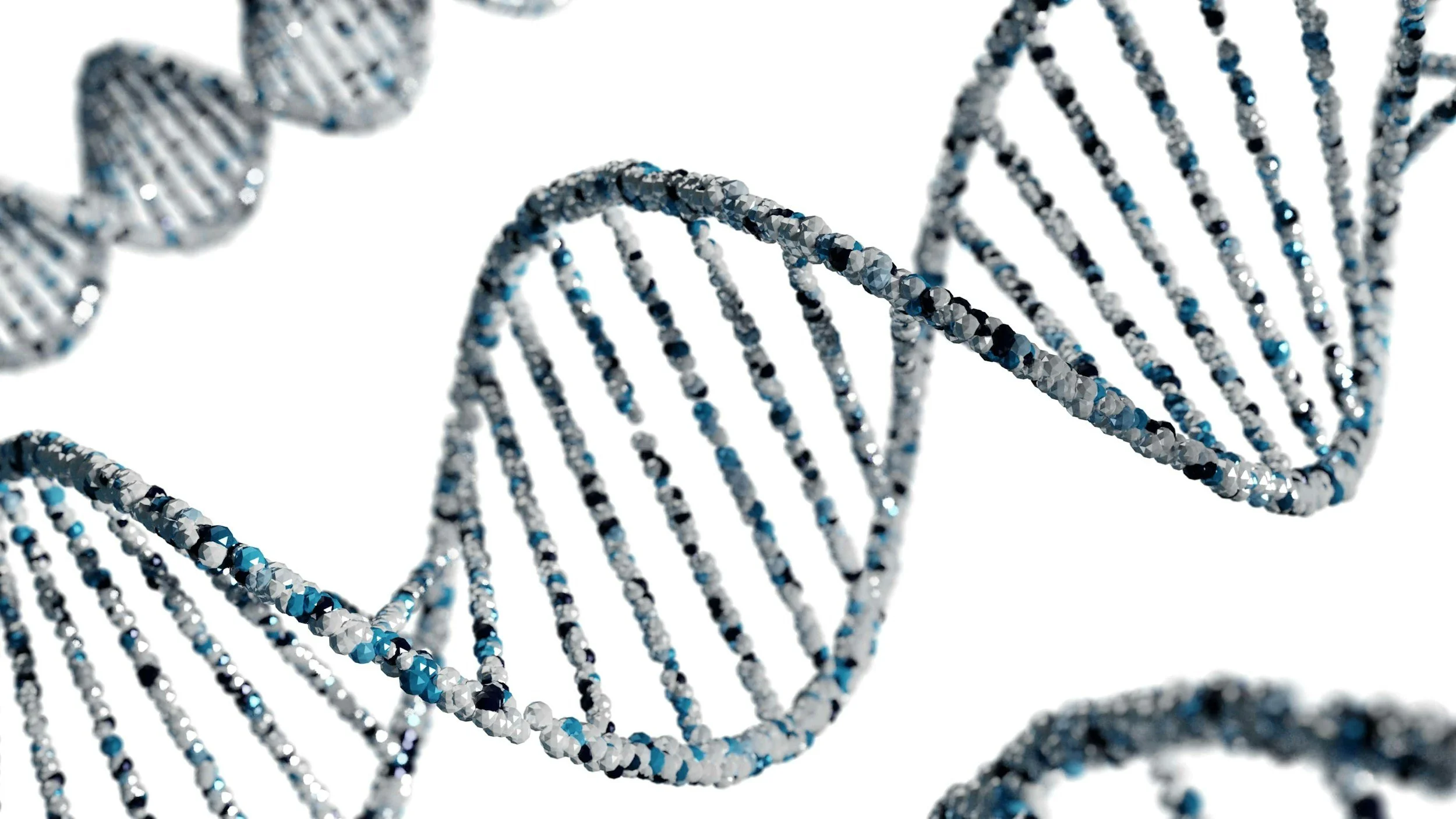
SCN2A is a gene located on chromosome 2 that plays a critical role in how the brain sends electrical signals. It provides instructions for making sodium channels - tiny gateways that allow brain cells to communicate with one another. When this gene is mutated, it disrupts normal brain development and communication.
SCN2A-Related Disorders
SCN2A-related disorders are considered a rare neurodevelopmental condition. Rather than having a single syndrome name, the condition is defined by the affected gene itself and is commonly referred to as “SCN2A” or SCN2A-related disorders.
SCN2A mutations are associated with a range of complex neurological challenges, which may include:
Seizures
Developmental Delay
Intellectual Disability
Autism Spectrum Disorder
Movement Disorders
Cortical Visual Impairment
Dysautonomia
Tragically, many children will be unable to live independently and will require lifelong care. For some, the condition can be life-threatening, with an increased risk of Sudden Unexpected Death in Epilepsy (SUDEP).
Gain-of-Function (GOF) vs Loss-of-Function (LOF)
Not all SCN2A mutations behave the same way. Some mutations cause the gene to become overactive, known as gain-of-function (GOF), while others cause the gene to work too little or not at all, called loss-of-function (LOF).
In simple terms, GOF mutations make brain cells fire too much, while LOF mutations prevent them from sending signals properly. GOF mutations are more often associated with early onset epilepsy, while LOF mutations more commonly present with developmental delays and Autism, and in many cases, seizures may develop later in life.
Relevance
SCN2A is a leading single-gene cause of childhood Epilepsy, Autism, Intellectual Disability and Developmental Delay.
Prevalence
Estimated to affect 1:78,000. Currently there are approx. 3,000 children diagnosed globally (although likely a large underestimate due to under diagnosis & limited access to genetic testing).
Severity
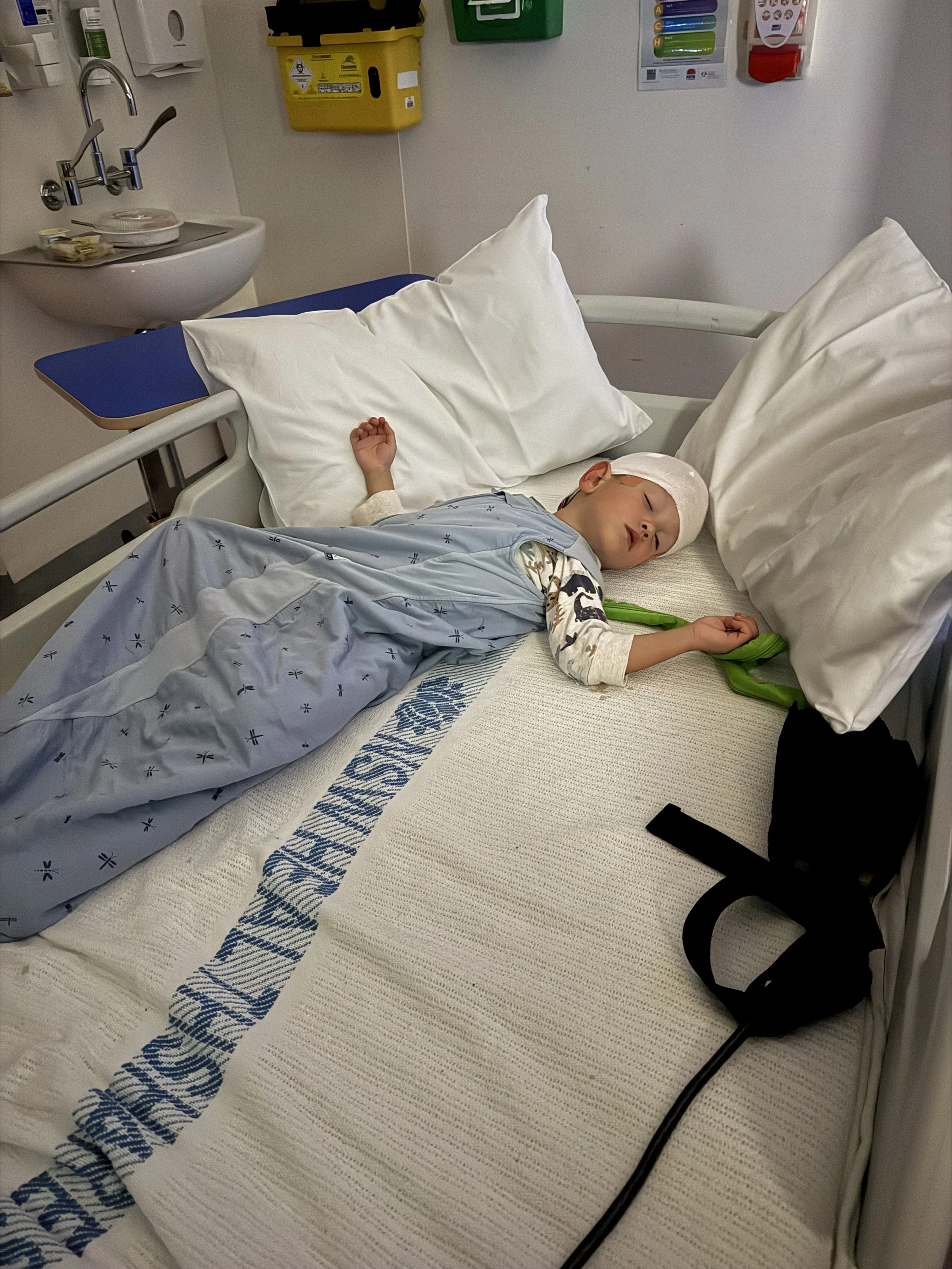
Children with SCN2A can start seizing in the first days or months of life, and can experience up to hundreds of seizures daily.
Over 85% have a developmental delay or intellectual disability
85% suffer from seizures
40% of children require a wheeled device for movement
Over 70% have a language delay
(data from Simon’s Searchlight)
Outlook
There is currently no cure available for SCN2A.
Tragically, some children with severe SCN2A mutations do not survive infancy or childhood.